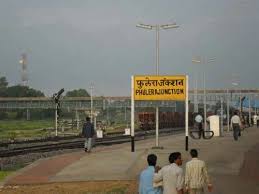
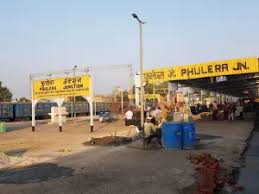
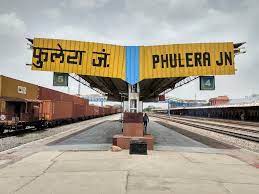
Are you want to know about Phulera
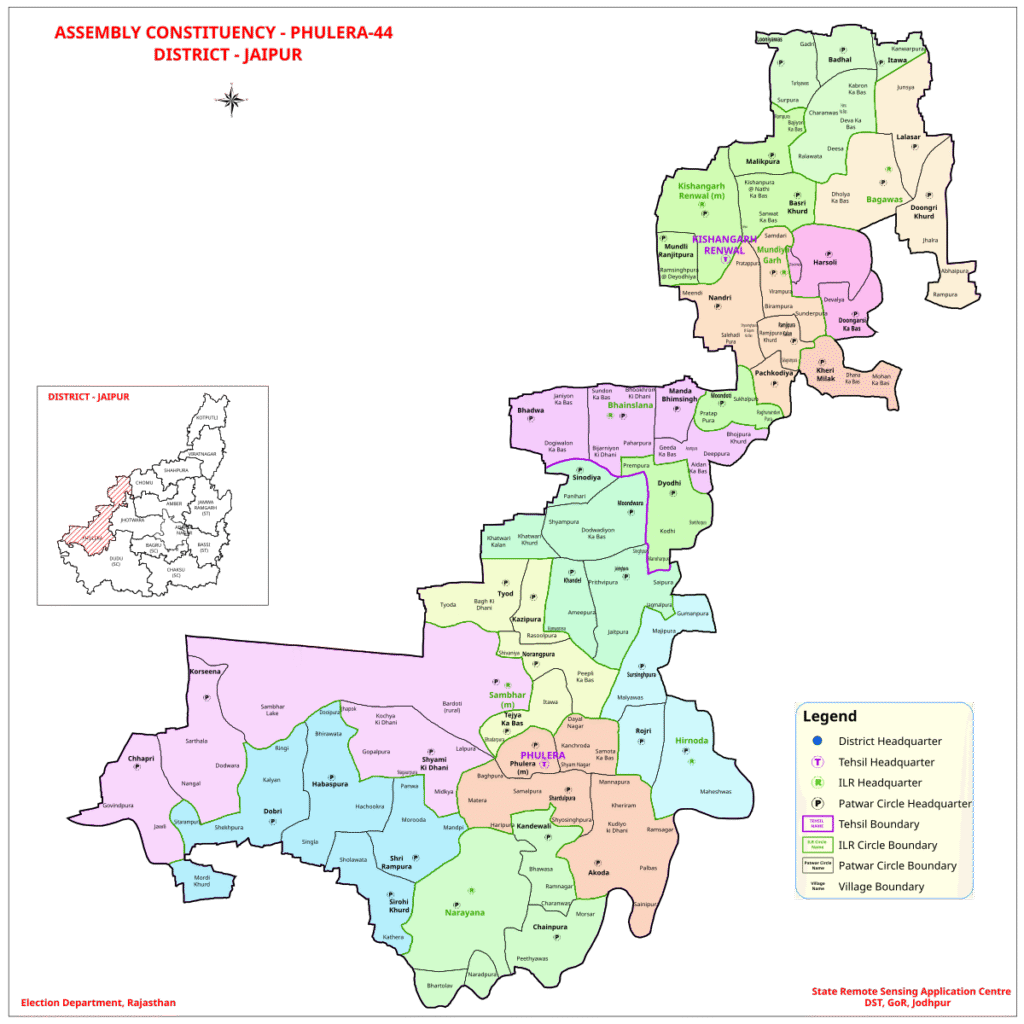
About Phulera
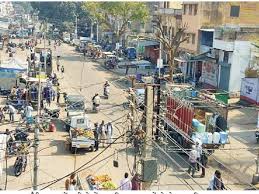
Phulera is a prominent town located in Jaipur district, Rajasthan, India. Known for its historical significance and strategic location, Phulera has long been recognized as one of the most important railway junctions in North India. It lies about 60 km west of Jaipur, along the Jaipur–Ajmer route, and has served as a cultural and commercial hub for the surrounding villages for centuries.
Historical Background
The name Phulera is believed to have originated from the word “Phool” (flower), symbolizing prosperity, beauty, and growth. Historically, Phulera developed as a connecting point for trade and travel between Jaipur, Ajmer, Jodhpur, and other major regions of Rajasthan. Its rise in importance came during the British era, when the railway line was constructed to link western Rajasthan with northern and central India.
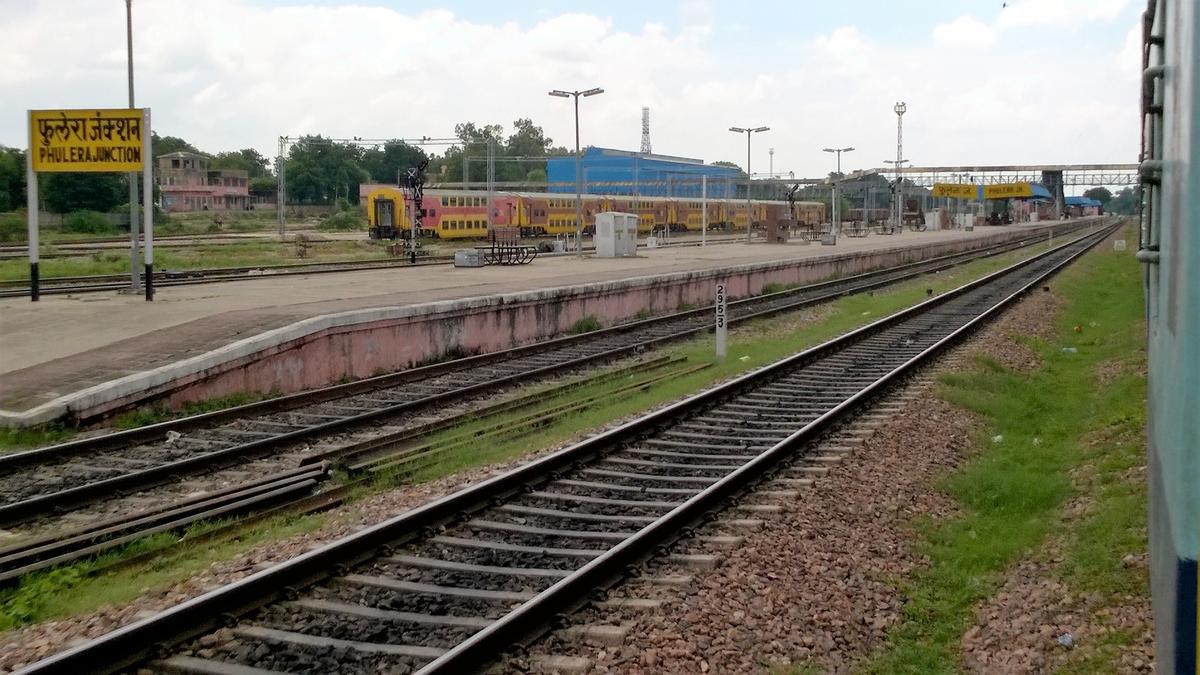
The town became famous as a railway junction, where the Delhi–Ahmedabad and Jaipur–Jodhpur lines meet. Because of this, Phulera played a crucial role in passenger and goods transport, helping in the development of Jaipur and Ajmer divisions.
Railway Heritage
Phulera Junction is one of the busiest railway stations of Rajasthan. It is not only a vital stop on the Jaipur–Ahmedabad main line but also the starting point of the Merta Road–Jodhpur line. The yard of Phulera Junction has historically been used for engine changes, train halts, and goods handling. The famous Gauge Conversion Project also marked Phulera as an important location in Indian Railways history.
Geography and Demographics
Phulera lies on the edge of the semi-arid zone of Rajasthan, surrounded by agricultural fields, small lakes, and rural settlements. The town has a mixed population, with communities from different castes and backgrounds co-existing peacefully. Agriculture, trade, and railway-related employment remain the backbone of its economy.
Culture and Festivals
The cultural life of Phulera reflects the broader traditions of Rajasthan. Festivals such as Holi, Diwali, Teej, Gangaur, and Makar Sankranti are celebrated with enthusiasm. The local markets are vibrant with Rajasthani handicrafts, traditional attire, and regional cuisine.
The town is also known for its religious diversity, with several temples, mosques, and community centers serving as landmarks of unity. Local fairs, folk music, and rural sports add to the charm of Phulera’s cultural identity.
Modern Development
In recent years, Phulera has gained attention due to its proximity to the Delhi–Mumbai Industrial Corridor (DMIC), one of India’s largest infrastructure projects. This has opened new opportunities for industrial and economic development, potentially making Phulera a hub for logistics, warehousing, and trade in the coming decades.
The town also continues to focus on education, healthcare, and social development, with schools, colleges, and NGOs contributing to the welfare of its people.
Why Phulera Matters
Phulera is more than just a junction on the map—it is a bridge between tradition and progress. From its historic railway roots to its future role in India’s industrial growth, Phulera represents resilience, community spirit, and the evolving story of Rajasthan.
About Phulera
Phulera, a significant and historic town in the Jaipur district of Rajasthan, stands as a testament to the blend of history, culture, and modern development. It is renowned for its crucial railway junction and its proximity to the Sambhar Lake, India’s largest inland saltwater lake, which makes it a key center for salt production. Phulera offers a unique glimpse into both the bustling life of a small city and the serene charm of rural Rajasthan.
History
The name Phulera is believed to be derived from the word ‘Phool’ (flowers), suggesting that the area was once known for its beautiful floral landscapes. However, the town’s true prominence began in the early 20th century. Its destiny was shaped in 1908 with the establishment of a railway yard, which quickly grew into a major junction on the North Western Railway network. This railway yard, one of the largest in the western part of India, played a pivotal role in the town’s economic and social development, making it a hub for trade and transportation.
Geography
Phulera is strategically located at 26.87∘ N latitude and 75.23∘ E longitude, approximately 65 kilometers west of Jaipur. The town’s average elevation is 387 meters above sea level.
Climate: The region experiences a dry climate. Summers are extremely hot, with temperatures soaring up to 44.3∘C, while winters can be quite cold, with temperatures sometimes dropping to 2.1∘C.
Topography and Water Bodies: While there are no major rivers flowing through the area, its proximity to Sambhar Lake is its most defining geographical feature. This lake is not only a natural wonder but also a vital economic resource for the region.
Culture
The culture of Phulera is a vibrant reflection of Rajasthani traditions and values. The locals take immense pride in their rich heritage, folk arts, and community festivals. A unique celebration is Phulera Dooj, a festival celebrated on the second day of the bright half of the month of Falgun. During this festival, people offer flowers to Radha and Krishna, symbolizing love and harmony.
Festivals: Major Indian festivals like Holi, Diwali, Dussehra, and Teej are celebrated with great fervor and enthusiasm, bringing the community together.
Cuisine: The local cuisine is a delightful showcase of Rajasthani flavors. Popular dishes include the famous Dal-Baati-Churma, Ghevar, and other traditional sweets and snacks.
Economy
The economy of Phulera is predominantly driven by its railway infrastructure and the salt industry.
Salt Production: The nearby Sambhar Lake is a major source of salt production, and this industry provides significant employment and economic stability to the region.
Agriculture: Agriculture is another key sector. The fertile lands around Phulera are used to cultivate crops like pearl millet (bajra), oilseeds, and spices such as cumin and fennel.
Industrial Growth: Situated along the Delhi-Mumbai Industrial Corridor (DMIC), Phulera is poised for future industrial development, which is expected to create new employment opportunities and boost the local economy.
Communities and Nearby Areas
Phulera is a multi-cultural town where various communities, including Hindus, Muslims, and Jains, live in harmony. The residents are known for their mutual respect and participation in each other’s cultural celebrations.
Some of the notable villages and towns in the vicinity of Phulera include:
Sambhar Lake: Famous for its vast saltwater lake and the rich history associated with it.
Naraina: Known for being a pilgrimage site for followers of the Dadu Panth, a religious movement.
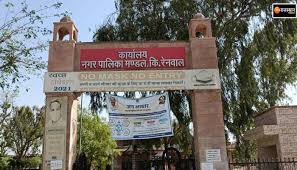
Kishangarh-Renwal: Another important town in close proximity, contributing to the regional economy.
Akoda, Agarpura, and Anantpura: These are some of the villages within the Phulera Tehsil that contribute to the agricultural and rural life of the area.